
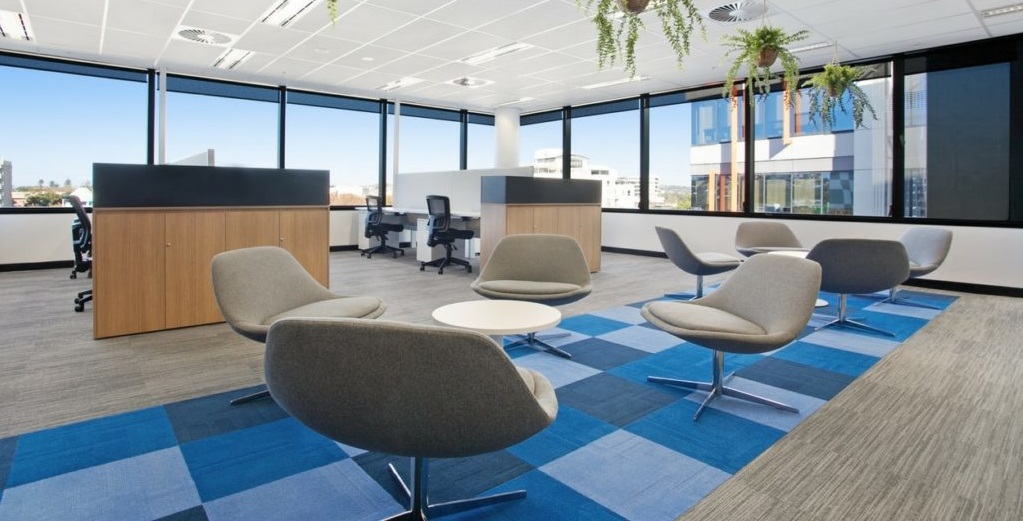
The office is the place where most people spend a majority of their time, so it’s important to make sure that it’s a space that is comfortable and conducive to productivity. When it comes to office design, working with Office fitout companies Melbourne helps office owners in different aspects of office construction and renovations. They have a wide range of services that office owners can choose from to help them achieve their desired office looks. They have a team of experts who can guide office owners in every stage of office fitout construction. Here are the main stages of office fitout construction that these professionals usually guide their clients with:
Inspiration Phase
In the inspiration phase, you’ll come up with a general idea of what you want your office space to look like, and then pick out the décor elements that make that vision come to life. During this phase, you’ll want to look for inspiration in a variety of places. You may want to look to your hobbies or other passions for ideas. Try to incorporate some of your favourite elements from various aspects of life and create a modern interpretation of those elements. You’ll also want to keep in mind that inspiration is constant, so don’t be afraid to hop around between different ideas. You can always come back to an idea if you ever get stuck.
Permits and certificates
As part of the process of designing a fitout, you’ll need to apply for a variety of permits and certificates. Some of the most common are electrical, structural, and odour and moisture control. You’ll usually want to apply for these in your region and follow the applicable rules and regulations specific to your town or city. The permits and certificates will dictate what the final design will look like, as well as who can perform certain tasks in your office space.
Studio Visit
During the construction phase, you’ll want to bring in consultants to guide you through the process. A studio visit is a great opportunity to see how a design is coming together in real life. It’s also a good idea to bring in people who have experience in your particular field to vouch for you and your company. Having someone there who has worked with similar spaces can often give you a different perspective on how things are going and help you avoid making some of the mistakes that other clients may make when designing their space. If you’re working office fitout companies Melbourne wide, you may want to bring in designers from different industries to work together as a union and help you avoid having all your focus on one project at a time.
Final Sketch
During the final sketch phase, you’ll take all the information gathered in the design process and begin to sketch out some ideas of what your space might look like. This is a good time to add any flags, pictures, or other finishing touches you want to make your design stand out. You can also add any features that are non-negotiable such as your phone or cable modem connections. When you’re at this point, you’ll want to make sure that you are keeping all of the things you’ve discussed in mind as you go. Your goal here is to make a quick 3D model of your space that shows you exactly what you’ll have to work with during construction. You can then use that model as a guide for any additional features you want to add, such as cabinets, desks, or other pieces of furniture.
Final Plan
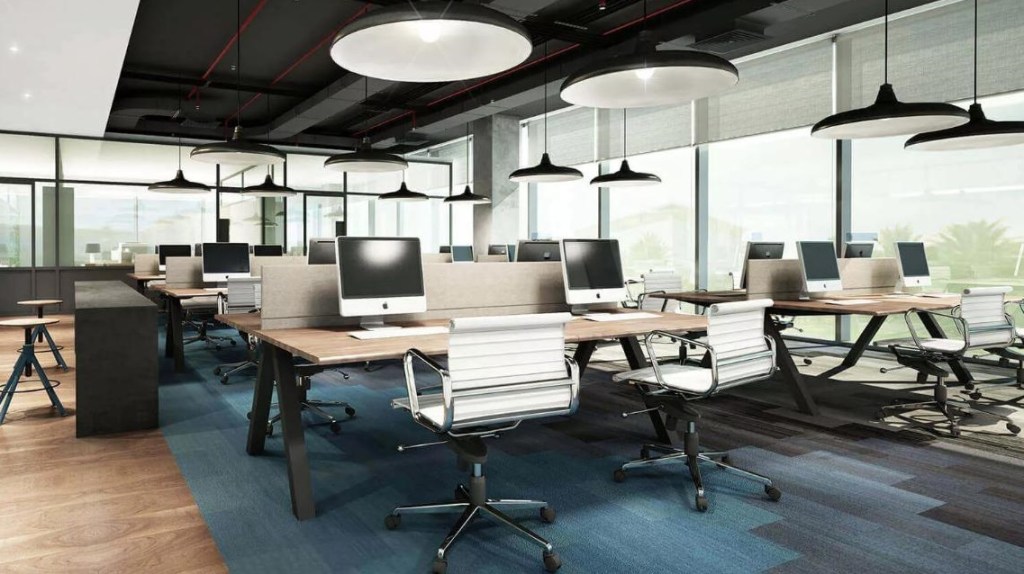
After you’ve completed all of the sketches and models, it’s time to build a model of your space and bring it to life in the real world. You’ll use this plan to create your actual floor plan, which will take you through the entire construction process. At this point, you’ll want to make sure that you’ve considered all of the things you’ve mentioned previously. These should all be taken into consideration during the design process, as well as any other questions you’ve had. You’ll want to make sure that all of the HVAC ducts and connections are in the model, as well as any other connections you’ve used in your model but have removed or altered. You’ll also want to make sure that the model has phone and cable modem connections, as well as any other features that you want to keep as part of your physical space.
Construction Start
At this point, you’ll have a fully detailed floor plan of your space. From here, you can begin to build your model. You’ll need to remove any supports and structural elements so that you can use the full height of your room. Be careful not to remove any of the structural support beneath your model, as this will affect the way that your floor actually sits on the model. At this point, you’ll want to make sure that you account for all of the materials that will be used in your space. You’ll want to keep in mind all of the things you’ve mentioned previously, as well as other questions that you might have. For example, do you want to keep your model as simple or complex as possible? In general, simpler is better at this point, though you can always add features once your model is complete.
Project Management and follow-up
Now that you’ve got your model built and ready to go, you’ll want to bring it to life in the real world. You’ll use this model to track progress on your project and provide you and your team with a better understanding of what is happening behind the scenes. You’ll also want to keep in mind that your physical model should be brought to completion before your financial model. This way, you’ll have a better understanding of how much money you have left to spend during construction and how much cash flow your model has. At this point, your physical model should be brought to an end. At this point, you’ll start your financial model to determine exactly where your project is at.
 Office Vision